
Noordi Journal · 8 October 2026 · 3 min read

Short answer: UK health guidance and most car-seat makers advise keeping a baby in a car seat for no more than about two hours at a time, and much less for premature babies. There is no single proven limit, and a small study found changes in newborns’ breathing after around 30 minutes, so shorter is better. Use the car seat for travelling, take regular breaks to lift your baby out, and move them to a firm, flat surface — such as a pram carrycot — when you arrive.
A car seat is designed for one job: protecting a baby in a moving car. Its semi-upright, curled position is right for a crash, but not ideal for long stretches of sleep. That is where the “2-hour rule” comes from.
What does the guidance say?
- The Lullaby Trust advises that babies should be in a car seat only while travelling, for no more than two hours, and for a much shorter time for premature babies.
- On long journeys, stop regularly and take your baby out of the seat.
- Have an adult sit next to the baby, or use a mirror, so you can see them.
- If your baby slumps forward, stop as soon as it is safe and reposition them.
- When you arrive, move your baby to a firm, flat surface.
Where does the 2-hour number come from?
An NHS trust factsheet notes that healthcare professionals and most manufacturers recommend no more than two hours at a time — and also that there is no published evidence for one specific limit. A University of Bristol pilot study funded by The Lullaby Trust placed 40 newborns in rear-facing seats on a car-motion simulator; heart rate and breathing rate rose and, in some babies, blood oxygen fell, with effects appearing after about 30 minutes. The researchers called for more work and suggested the guidance may need revisiting.
In short: two hours is an upper guide, not a target. For newborns, and especially premature babies, keep car-seat time as short as you reasonably can. If you have concerns, talk to your midwife, health visitor or doctor.

Planning a long drive with a baby
- Plan a break at least every two hours — more often with a newborn.
- Take your baby out of the seat at each stop for a feed, a stretch and a change.
- Travel with a second adult in the back if you can.
- Avoid long drives with very young or premature babies where possible.
- On arrival, move your baby to a firm, flat surface to sleep.
What about car seats on prams?
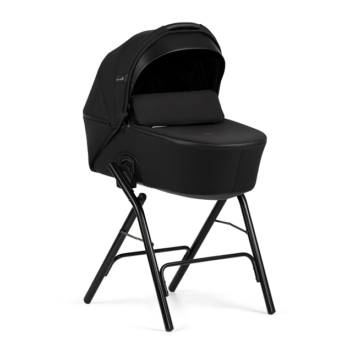
A 3-in-1 travel system lets you click the car seat onto the pram so a sleeping baby is not woken between car and shop. That is handy for short errands. For walks and naps outside, we suggest switching to the flat carrycot: it lets your baby lie in the position a car seat cannot give.
3-in-1 with a flat carrycot
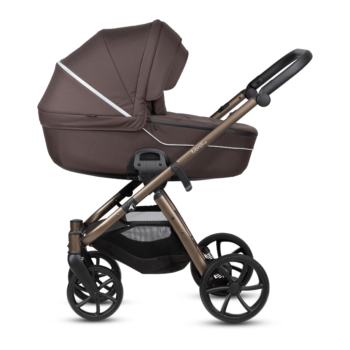
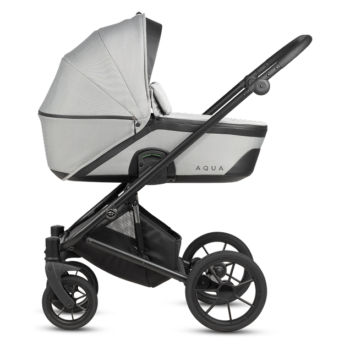
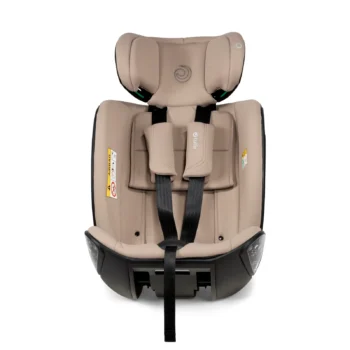
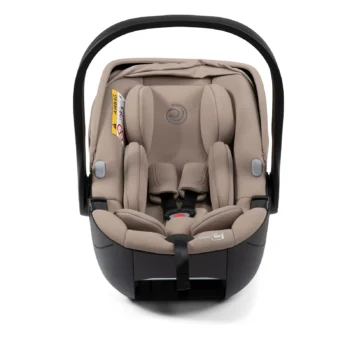
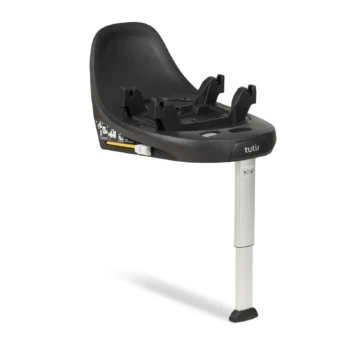
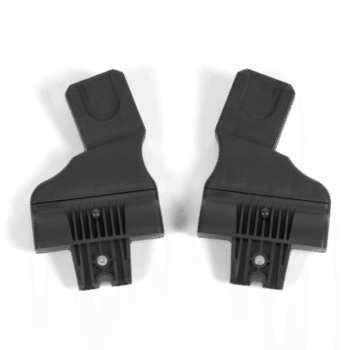
Fjordi V.2 and Aqua V.2 come as 3-in-1 sets with the Tutis Beno infant car seat and memory adapters — car seat for the journey, THERMOCOT™ carrycot for the walk. Fjordi V.2 3-in-1: €893.
Frequently asked questions
How long can a baby stay in a car seat?
UK guidance and most manufacturers suggest no more than about two hours at a time, and much less for premature babies. Shorter is better for newborns.
Is the 2-hour car seat rule based on research?
It is precautionary guidance. There is no published evidence for one exact limit; a small Bristol pilot found changes in newborns’ breathing after around 30 minutes.
Can my baby sleep in the car seat after the journey?
Guidance is to move your baby to a firm, flat surface when you arrive.
Does the rule apply to car seats clicked onto a pram?
The same thinking applies. For walks and naps, a flat carrycot is the better choice.
What about premature babies?
Their time in a car seat should be much shorter. Ask your neonatal team or health visitor for advice before long journeys.
Car seat for the road, flat carrycot for the rest of the day — a simple rhythm that keeps journeys calmer for everyone.
Sources: The Lullaby Trust: safer sleep for premature babies (PDF), The Lullaby Trust: car seats, Milton Keynes University Hospital NHS: car seat factsheet, Nursery World: Bristol car-seat study. Checked October 2026.
Made for the way you wander.
Three strollers, one calm way of getting outside. Find the one that fits your family’s days.
More from the Journal
i-Size (R129) Car Seats Explained for New Parents
i-Size, R129, R44, ISOFIX – what the labels on car seat boxes mean, and how to choose and fit a seat calmly for the first ride home.

2-in-1 vs 3-in-1 Prams (Travel Systems) Explained
What a 2-in-1 pram and a 3-in-1 travel system really include, who benefits from the car seat on the chassis, and why the carrycot is still best for longer walks.

When Can a Baby Move From the Carrycot to the Seat Unit?
Most babies are ready for the pram seat unit once they sit steadily on their own, often around six months. Here are the signs, the WHO data and a gentle way to switch.