
Noordi Journal · 28 September 2026 · 6 min read
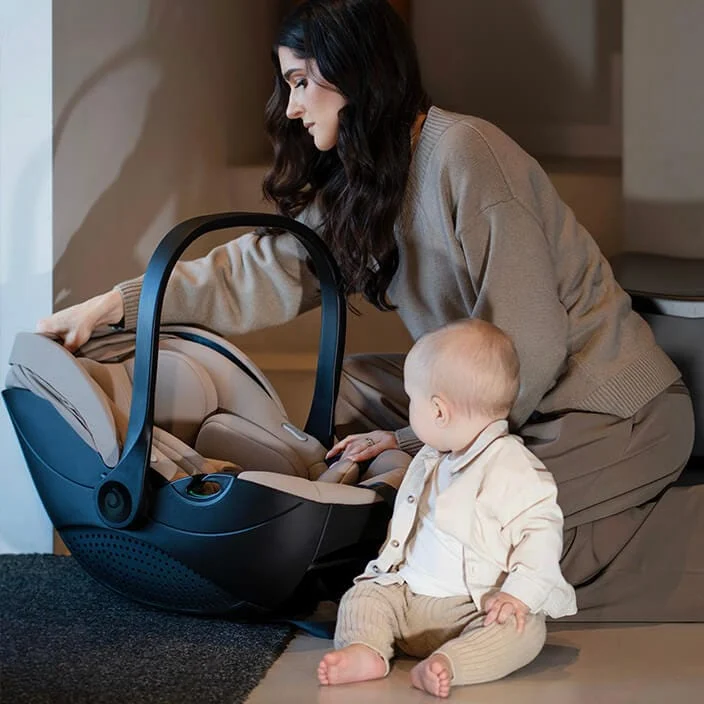
Short answer: i-Size is the everyday name for child car seats approved under UN Regulation No. 129 (R129). These seats are chosen by your child’s height rather than weight, keep babies rear-facing until at least 15 months, and must pass a side-impact test. In the EU, new seats approved to the older R44 could only be sold until 31 August 2024, although a seat you already own may still be used.

The first ride home is often the first time you buckle your baby into anything. It is also when the labels on car seat boxes start to matter: i-Size, R129, R44, ISOFIX, 40–87 cm. Here is what they mean, in plain words, so you can choose calmly and fit the seat with confidence.
What does i-Size (R129) mean?
R129 is a United Nations regulation for child restraint systems, used across Europe. “i-Size” is the name for seats approved under it that are built to fit i-Size seating positions in cars, usually with ISOFIX connectors. You will often see both on the same label: “i-Size (ECE R129)”.
Three ideas sit at the heart of it:
- Height, not weight. The seat states a height range in centimetres. You measure your child, not weigh them.
- Rear-facing for longer. Children travel rear-facing until they are at least 15 months old, whatever their size.
- Side-impact testing. Seats are tested for side collisions as well as frontal ones.
R44 vs R129: what actually changed?
Before R129, car seats were approved under R44 and sorted into weight groups. Both standards may still be around you – in shops abroad, at friends’ houses or on second-hand sites – so it helps to see them side by side.
| R44 (older) | R129 / i-Size | |
|---|---|---|
| How a seat fits your child | By weight groups (0+, 1, 2, 3) | By height in cm |
| Rear-facing | In the baby group; forward-facing possible from 9 kg | Until at least 15 months |
| Side-impact test | Not part of the approval | Included |
| Fitting | Seat belt or ISOFIX | Designed for i-Size positions, usually ISOFIX |
| New sales in the EU | Ended 31 August 2024 | Current standard |
| A seat you already own | May still be used (ADAC) | — |
In the UK, RoSPA’s Child Car Seats site notes that you do not need to swap an existing seat for an i-Size one unless you want to. If you are buying new today, an i-Size seat is the natural choice.
Why do babies stay rear-facing for so long?
A baby’s head is large and heavy compared with the neck. Facing backwards, the shell of the seat supports head, neck and back together when the car brakes hard. That is why R129 sets 15 months as the minimum – and why ADAC goes further and recommends that children travel rear-facing until around two years old.
Longer legs touching the back seat are not a reason to turn a child around early. Most children simply sit cross-legged and are perfectly content.
The first ride home is short. It still deserves a calm start.
How does height-based sizing work day to day?
Each i-Size seat lists a height range – for example 40–87 cm for an infant carrier – and usually a maximum weight as well. Measure your child from time to time, and follow the seat’s manual on when to move on. The manual will also tell you how the headrest and harness should be set as your child grows.
Many families use two seats in turn: an infant carrier for the first year or so, then a larger seat that stays in the car for the years after.
ISOFIX, bases and support legs: how should the seat be fitted?
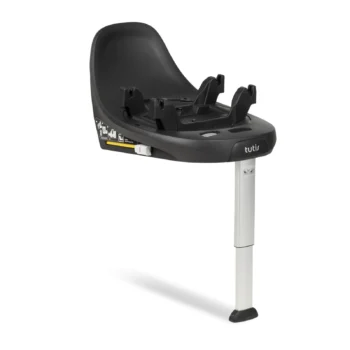
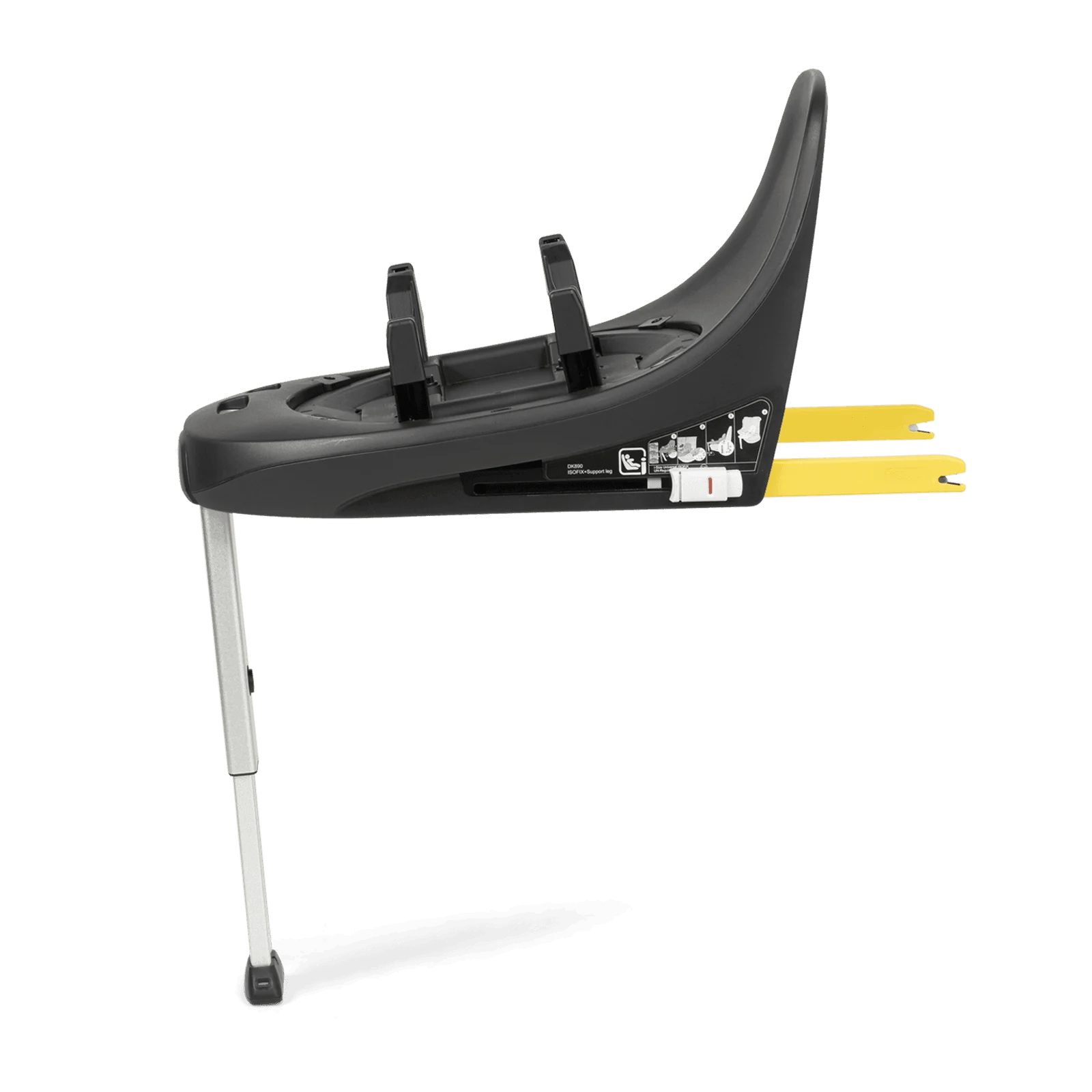
ISOFIX uses two metal anchor points in the car, between the seat back and the cushion. The car seat, or a base it clicks into, locks onto them directly. Many bases add a support leg that stands on the car floor to limit forward movement.
- Check that your car has ISOFIX anchor points in the seat you plan to use.
- Look for the fitting indicators on the base – they show when the connectors and support leg are in place.
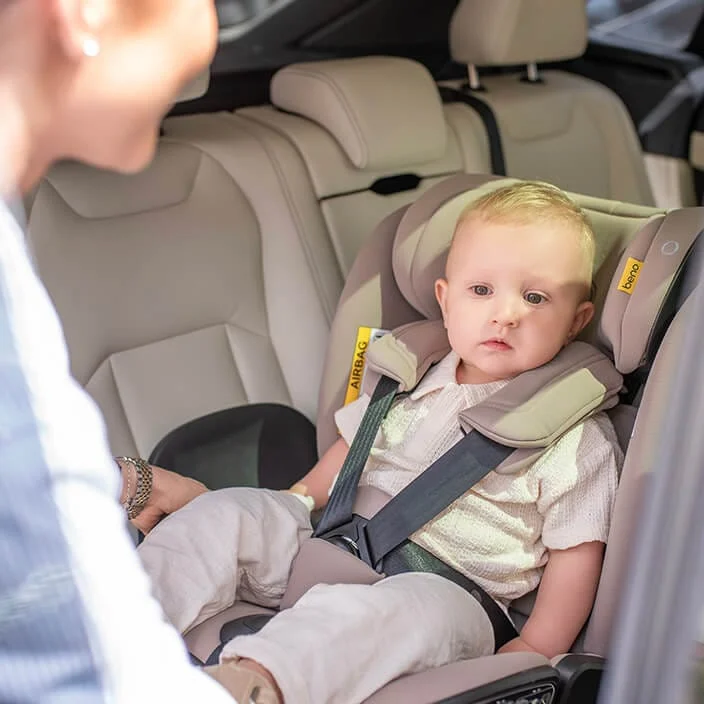
- Never place a rear-facing seat in front of an active front airbag.
- Pull the harness snug; bulky winter coats go off before the straps go on – a blanket can go over the harness once your baby is buckled in.
- On long drives, take regular breaks and follow the manual on how long your baby should stay in the seat.
Where Noordi fits: Beno, Beno 360 and the ISOFIX base
We created our car seats together with Tutis, another pram maker from Kaunas, Lithuania. All three are approved to i-Size (ECE R129), and the base is certified to UN R129/03.
Noordi Beno
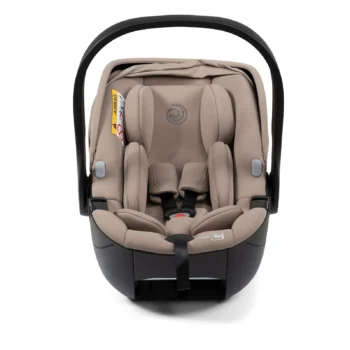
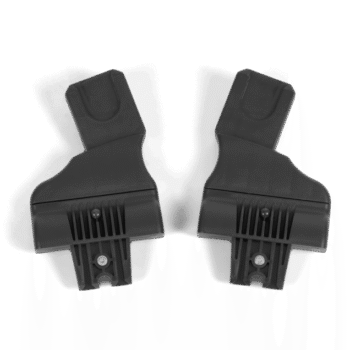
An i-Size infant carrier for 40–87 cm and up to 13 kg – from the first day to about 18 months. On the ISOFIX base it turns 180° towards the open door, which is kinder to your back, and it has enhanced side protection and a memory-foam headrest. With adapters (sold separately) it clicks onto Fjordi V.2 or Aqua V.2, so a sleeping baby can go from the car to the forest path without waking.
Noordi Beno 360 · ISOFIX base
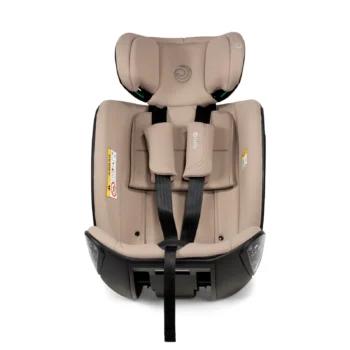
Beno 360 is the next seat, for children up to 150 cm. It turns a full 360° on the same base, has eight headrest positions, two recline positions and a five-point harness – and stays in the car, as it does not fit the pram adapters. The ISOFIX base has installation indicators, an adjustable support leg and recognises which Beno seat it holds.
If you are weighing up a pram with a car seat, our guide to 2-in-1 and 3-in-1 prams explains how travel systems work, and the car seat adapters show what fits which Noordi.

Frequently asked questions
Is i-Size the same as R129?
Almost. R129 is the regulation; i-Size is the name for seats approved under it that fit i-Size seating positions in cars. Labels often show both, for example “i-Size (ECE R129)”.
Can I still use an R44 car seat?
According to ADAC, R44 seats you already own may still be used; only new sales in the EU ended on 31 August 2024. Outside the EU, check your national guidance.
How long should my child face backwards?
Under R129, until at least 15 months. ADAC recommends rear-facing until around two years old, as long as the seat still fits your child.
Do I need an ISOFIX base for Beno?
Both Beno seats are made for the Beno ISOFIX base, which lets them turn and click in with one press. The base is sold separately and fits most cars with ISOFIX anchor points.
Can Beno 360 go on the pram?
No. Beno 360 is a car seat only. For the pram, choose the Beno infant carrier with Noordi car seat adapters.
A car seat does its most important work in moments we hope never come. Choose it carefully, fit it well, and then let the drive be what it should be – a quiet road towards the sea, the forest, or simply home.
Sources: ADAC, RoSPA Child Car Seats. Checked September 2026.
Made for the way you wander.
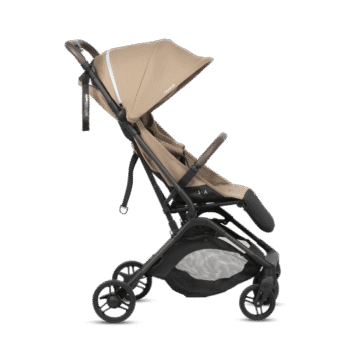
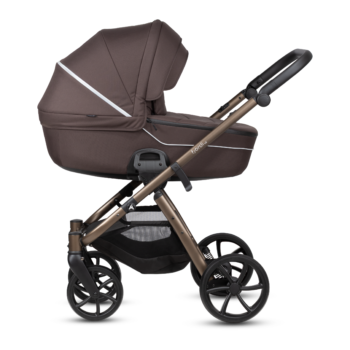
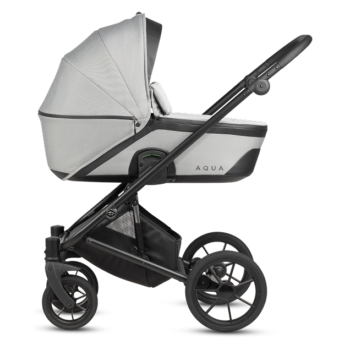
Three strollers, one calm way of getting outside. Find the one that fits your family’s days.
More from the Journal
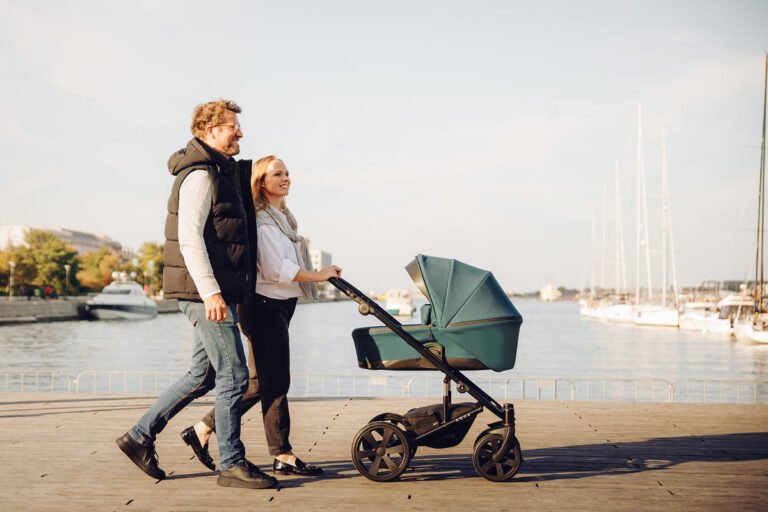
2-in-1 vs 3-in-1 Prams (Travel Systems) Explained
What a 2-in-1 pram and a 3-in-1 travel system really include, who benefits from the car seat on the chassis, and why the carrycot is still best for longer walks.
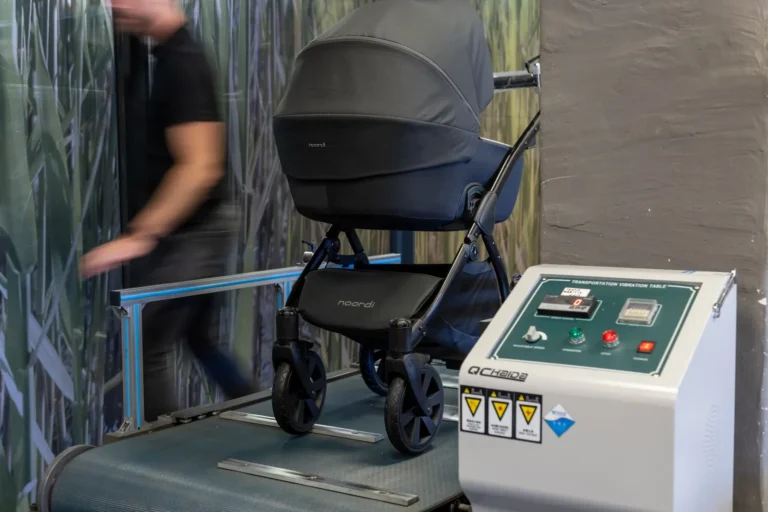
EN 1888 Explained: What the European Pram Safety Standard Means
EN 1888 is on almost every pram box in Europe. Here is what the standard covers, what labs actually test, and what it cannot tell you about a pram.

Second-Hand or New Pram? What to Check Before You Buy
A second-hand pram can be a good choice – if you know what to check. Brakes, frame, locks, harness, recalls and the manual, plus when new is simply calmer.