Noordi Journal · 16 October 2026 · 5 min read

Short answer: Pram fabrics have two jobs. Inside, where your baby lies, they should feel soft, smooth and calm, with no scratchy seams or hard edges. Outside, they should handle wind, drizzle and daily use. A good pram gets both right and stays easy to look after.
Soft where it matters most.
Your baby meets the world through touch first. On a walk, that world is the lining by their cheek, the edge of the canopy, the fabric under small, curious hands. Those surfaces deserve the same attention as the wheels.
Two jobs, two kinds of fabric
The inside of a carrycot or seat is about comfort and calm: soft, smooth materials against the skin, seams kept away from the face, nothing that rubs. The outside is about weather: a fabric that sheds drizzle, blocks wind and still looks good after months of hallways, car boots and forest paths.
| Where | What to look for | Quick test in the shop |
|---|---|---|
| Carrycot lining | Soft, smooth, no rough seams near the face | Run the back of your hand along it |
| Seat and harness pads | Soft edges, no hard plastic against the skin | Feel the shoulder pads and buckle area |
| Canopy and apron | Protection from wind and drizzle | Look for a deep canopy and covered zips |
| Handlebar | A comfortable grip that wipes clean | Push with both hands for a minute |
| Care | Clear care instructions | Ask which parts come off for cleaning |
SENSORY-TECH™: soft texture, gently
On Fjordi V.2, SENSORY-TECH™ adds soft, raised textures to the fabrics your baby touches. They give gentle tactile interest, something calm for curious fingers, right where your baby rests. We keep the promise simple: it is a pleasant thing to touch.
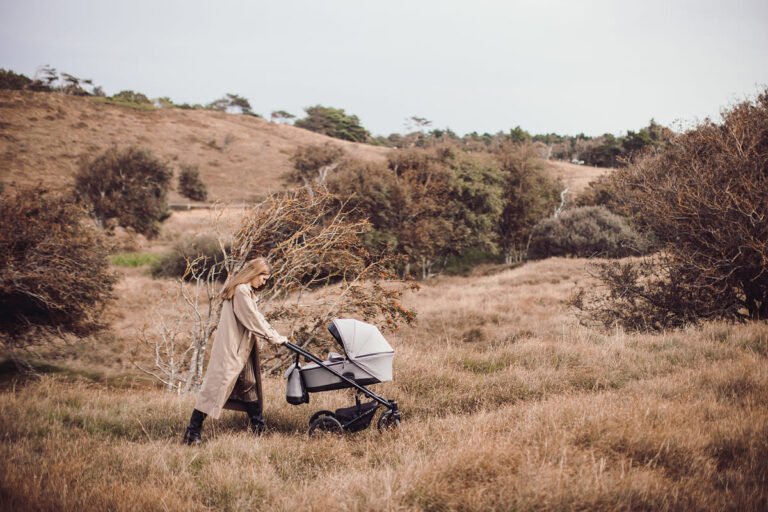
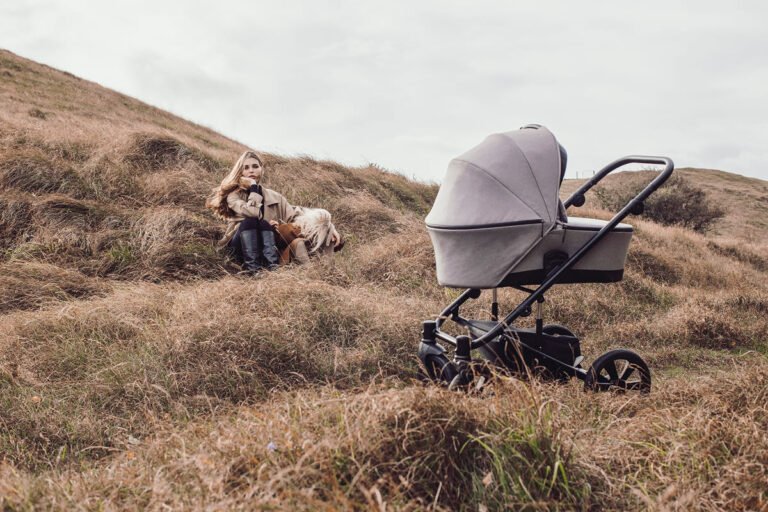
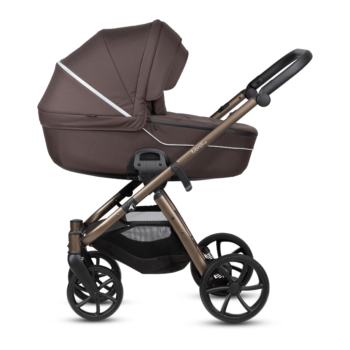
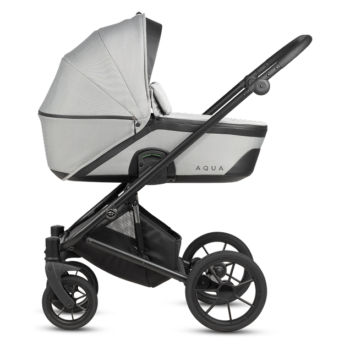
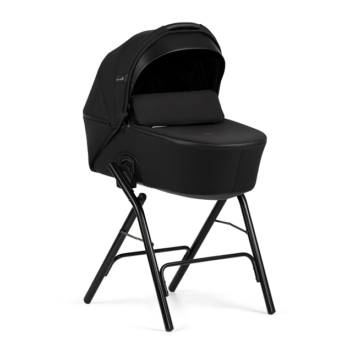
Around it, the THERMOCOT carrycot pairs a soft inner fabric with an insulating core and a firm outer shell. Outside, a deep canopy shelters from wind and rain, the leg cover has waterproof zips, and the adjustable handlebar is wrapped in anti-scratch eco-leather that wipes clean.
Where the fabrics come from
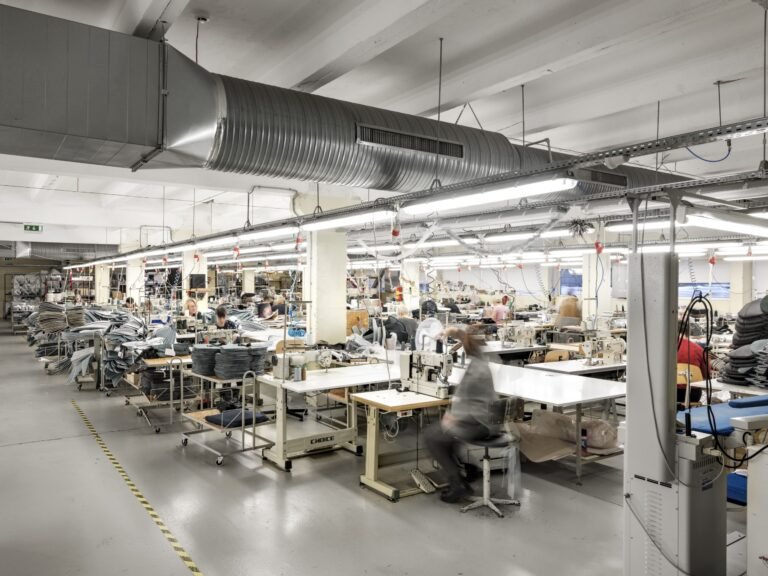
The fabrics for Fjordi V.2 are sourced from Scotland and Scandinavia, then cut and sewn on the sewing floor of our own factory in Kaunas, Lithuania, where prams have been made since 1993. Frames, sewing, assembly and testing happen under one roof. See how a Noordi pram is made.
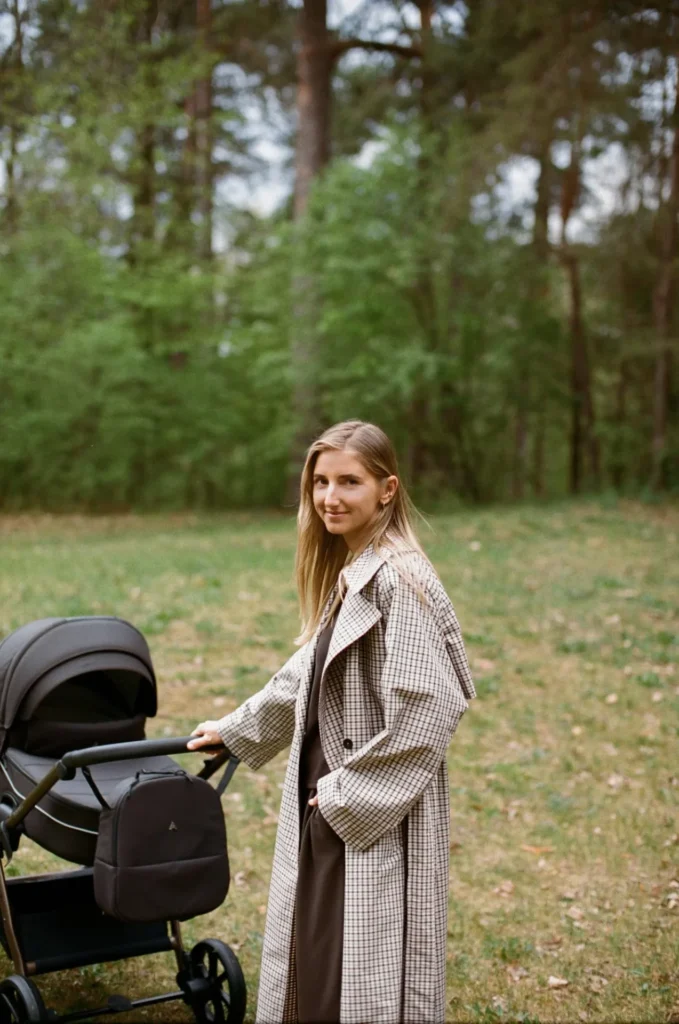
Fjordi V.2 · 2-in-1 all-terrain
Soft inside, ready for weather outside
SENSORY-TECH textures, a layered THERMOCOT carrycot and an eco-leather handlebar.
- Independent suspension and a shock-absorbing front fork
- THERMOCOT insulated carrycot, inner 81 × 37 cm
- Reversible seat, lies flat to 100 cm, up to 22 kg
- One-click fold, about 11 kg with carrycot
€815 · 3-in-1 €893
Keeping fabrics soft for longer
- Shake out and brush off. Sand, crumbs and grit wear fabric faster than rain. A soft brush after beach or forest days helps.
- Dry before you fold. After a wet walk, let the canopy and apron dry open, away from direct heat.
- Spot-clean early. A damp cloth and mild soap on a fresh mark is gentler than scrubbing later.
- Follow the care label. Your manual says which parts come off and how to wash them. How to clean and care for a pram.
- Wipe the handlebar. Eco-leather only needs a damp cloth.
Read next: Rainy-day walks with a baby · Soft ride, firm mattress · How to clean a pram
Read also: Where our fabrics come from · Colours from the forest
Frequently asked questions
What should a pram lining feel like?
Soft and smooth against the skin, with seams kept away from your baby’s face and no hard edges. Run the back of your hand along it: if it feels pleasant there, it will feel pleasant on a cheek.
What is SENSORY-TECH on Fjordi V.2?
Soft, raised textures on the fabrics your baby touches. They give gentle tactile interest right where your baby rests.
Are Fjordi V.2 fabrics made for bad weather?
The outer layers are made for real weather: a deep canopy against wind and rain and waterproof zips on the leg cover. In heavy rain, use the rain cover.
Where are the fabrics made into prams?
Fabrics sourced from Scotland and Scandinavia are cut and sewn in our own factory in Kaunas, Lithuania, alongside frame making, assembly and testing.
How do I clean pram fabrics?
Brush off sand and grit, spot-clean with a damp cloth and mild soap, dry everything open before folding, and follow the care instructions in your manual.
Made for the way you wander.
Soft inside, ready for any weather outside.
More from the Journal